
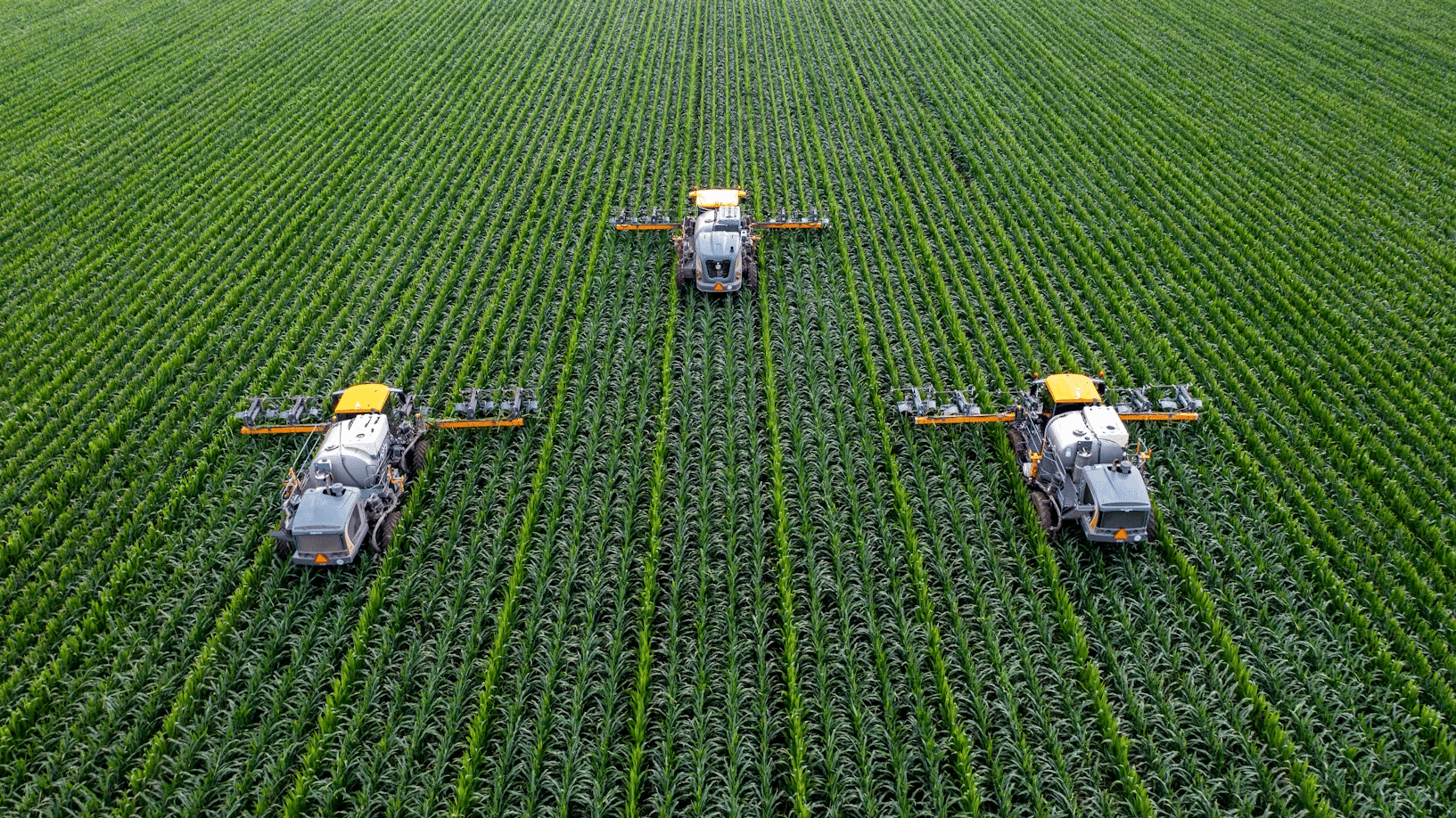
The landscape of rural real estate is changing fast, and agribusiness is leading the shift. As traditional farming operations evolve into more tech-driven, diversified enterprises, their land and infrastructure needs are transforming, too. These changes directly impact rural commercial real estate deals, pushing landowners, developers, and investors to rethink how they evaluate and approach rural properties.
Agribusiness is Driving Rural Demand
Let’s look at how today’s agribusiness activity influences decisions around rural commercial real estate development and acquisition.
Vertical Integration Is Expanding Real Estate Footprints
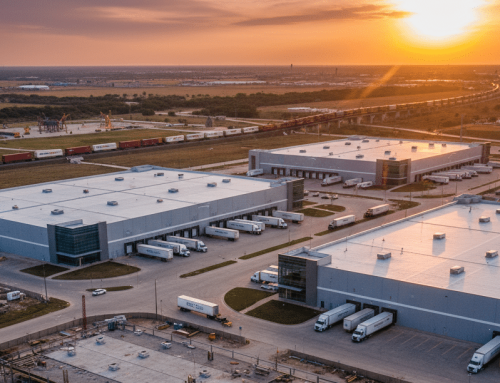
Modern agribusinesses are no longer just growers or ranchers. Many are adding processing, packaging, storage, and distribution functions to their operations. This vertical integration means more demand for diverse commercial properties, not just farmland but also buildings for cold storage, logistics, and retail.
This trend is increasing the complexity of rural commercial real estate deals as buyers now assess land for multi-use potential. Proximity to highways, access to water and energy infrastructure, and zoning flexibility are becoming top priorities.
Ag-Tech Is Reshaping Property Needs
With the rise of precision agriculture, automation, and AI, ag-tech influences the structures and services required on rural properties. From drone monitoring stations to automated irrigation systems, the shift is creating new demand for commercial real estate that can support this high-tech transformation.
Properties that accommodate connectivity infrastructure, smart equipment, or data storage are seeing higher value and attention. For real estate professionals, staying informed on tech trends is crucial when advising clients in the agricultural sector.
Sustainable Practices Are Changing Investment Criteria
Sustainability is no longer just a buzzword in agriculture. It has become a deciding factor in land deals. More agribusinesses aim to align with regenerative practices, water conservation goals, and carbon offset initiatives.
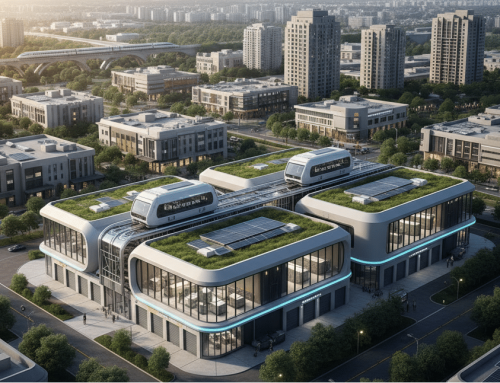
This scenario has increased interest in rural commercial real estate that meets certain environmental benchmarks or can support renewable energy integration, such as solar installations or biodigesters. Deals are now more often evaluated not just by acreage but by how well the land can serve sustainability goals in the long term.
Supply Chain Shifts Are Repositioning Rural Hubs
Recent global disruptions have exposed the vulnerability of long supply chains. In response, many agribusinesses are investing in localized processing and storage facilities closer to farms. This change fuels development in smaller towns and regions with minimal commercial activity.
Commercial real estate deals in these areas are now driven by the need for hybrid spaces, which are part industrial, part logistical, and part operational.
Investors Are Taking Notice of Long-Term Rural Value
Private equity and institutional investors are becoming more interested in rural commercial real estate. As agribusiness becomes more profitable and resilient through technology and vertical expansion, rural assets are being viewed as smart long-term plays.
Moreover, the shift in the agribusiness market is reshaping deal dynamics, introducing more competitive bidding, and pushing traditional buyers to act quickly and strategically to secure prime land.
Final Thoughts
The evolution of agribusiness has a clear and measurable impact on rural commercial real estate deals. From infrastructure demands to sustainability targets and investment patterns, rural land is now central to the future of agriculture and commercial growth.
At Cindy Hopkins Commercial Real Estate (CHRE), we stay ahead of these shifts to help landowners and investors make the most informed decisions. If you’re navigating a deal in a rural space, our team understands how agribusiness trends intersect with commercial real estate opportunities today and tomorrow. Contact us to explore your options.


Leave A Comment