

As cities continue to grow and e-commerce demand reshapes logistics, one development model is gaining momentum: micro-industrial parks. These smaller, more flexible industrial hubs are popping up along the edges of urban centers, offering a smart solution to meet demand without downtown areas’ high costs or space limitations.
A Scalable Solution for Urban Edge Growth
Micro-industrial parks provide a compact, adaptable footprint that responds to evolving business needs in urban peripheries. Let’s look at how and why they’re becoming popular.
Rising Last-Mile Needs Fuel the Shift
With the rise of fast delivery expectations, the demand for last-mile facilities has exploded. Retailers, distributors, and even service-based businesses are searching for locations to reach city centers quickly without paying premium core-city rents.
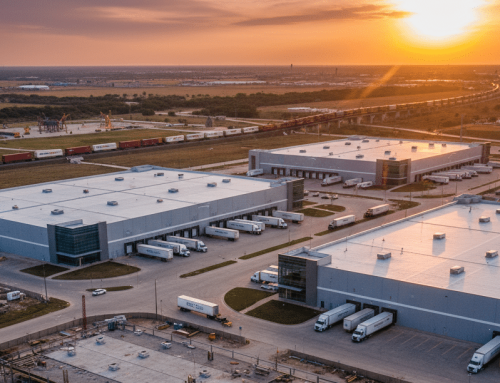
Micro-industrial parks meet that need by clustering small to mid-sized units near key urban arteries, interstates, or transit hubs. These parks are often designed with logistics in mind, such as easy loading access, optimized vehicle flow, and space for e-commerce fulfillment operations.
Affordability Meets Flexibility
Large-scale industrial parks can be overwhelming and costly for startups, growing manufacturers, or businesses diversifying their operations. That’s where micro-industrial formats shine.
Developers can build efficient, scalable spaces at lower entry costs in high-demand urban peripheries, where land values are rising but not yet prohibitively. Tenants then benefit from more favorable lease terms, smaller unit sizes, and room to expand without relocating completely.
Zoning Challenges Turn Into Opportunities
Urban cores are increasingly restrictive when it comes to industrial zoning. While true, just outside those areas, zoning flexibility improves, especially in underutilized transitional zones.
Micro-industrial parks often make use of these transitional or infill spaces. With smaller footprints and lighter environmental impact, they can meet city goals for mixed-use development while still supporting vital industrial functions. For municipalities, it’s a win-win with economic development without large-scale disruption.
Appealing to a New Tenant Mix
Today’s tenant isn’t always a legacy manufacturer. Think makers, DTC brands, food producers, local tech repair hubs, or mobile service providers. Many of these businesses need 2,000 to 10,000 square feet, but they do not require massive space.
These tenants are drawn to micro-industrial developments because they offer the right size, amenities, and proximity to both their customers and workforce. Smart developers build with this shift in mind by prioritizing design, modularity, and community integration.
Investment Potential Is Growing
For investors and developers, micro-industrial parks present an attractive middle ground. Their costs are lower than those of large industrial buildings, and the demand is strong and diversified.
With urban peripheries becoming hotbeds of growth, they are targeting these smaller industrial projects, which have a strong upside. Thanks to the flexibility and location advantages offered by these parks, vacancy rates remain low, and tenant churn is reduced.
Final Thoughts
Micro-industrial parks are no longer niche; they’re becoming a critical part of the urban commercial real estate landscape. Positioned strategically in high-demand urban peripheries, they offer cost-effective, tenant-friendly, and highly adaptable solutions for today’s businesses’ evolving needs.
Cindy Hopkins Commercial Real Estate (CHRE) tracks these trends closely to help clients capitalize on smart opportunities. From site selection to leasing strategy, we help you navigate the growing world of micro-industrial development with clarity and insight. Contact us today to explore your options.


Leave A Comment