
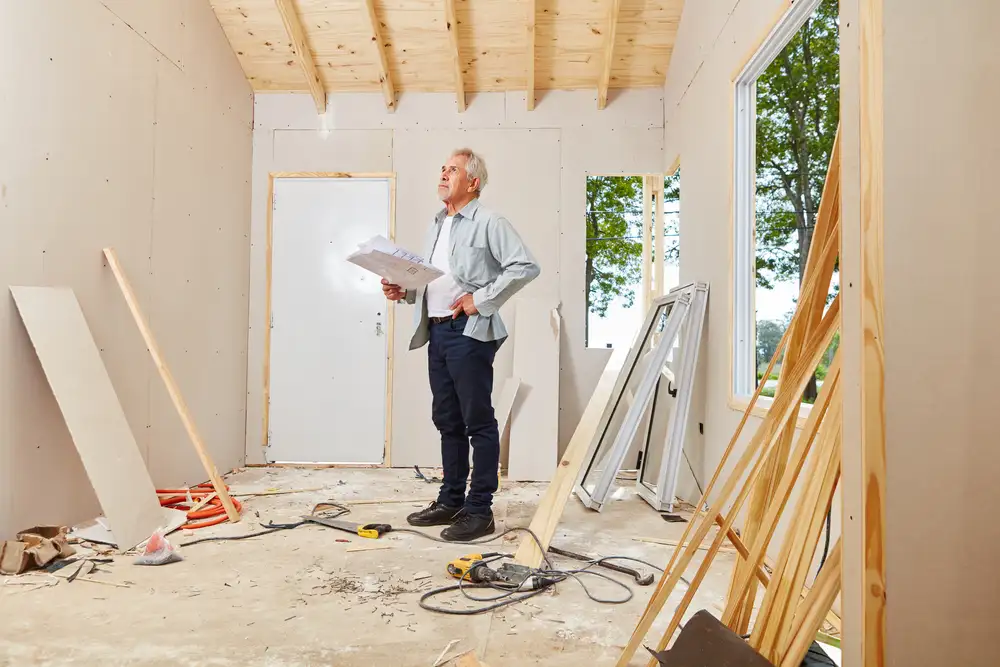
For senior entrepreneurs and retirees looking for a practical way to build income beyond a pension or savings, house flipping opportunities for seniors can be a strong fit. The challenge is real: real estate investment for retirees can feel risky when timelines, budgets, and market changes don’t wait for anyone. Yet the advantages of house flipping after 60 often show up where younger investors struggle, experience with home maintenance, patience to make clear decisions, and the steady follow-through that keeps a project from drifting. With the right mindset, home renovation as a senior business can turn one well-managed property into a repeatable second-career plan.
How to Flip Your First House, Step by Step
This simple process helps you find a promising deal, fund it in a way that fits your stage of life, make upgrades that buyers actually pay for, and sell without letting the calendar or costs steal your profit.
- Spot undervalued properties with clear “fixable” issues
Start with homes that are priced low because of cosmetic problems such as old flooring, dated paint, worn fixtures, or messy landscaping, not because of structural damage. Walk through with a checklist and estimate what it would take to make the home feel clean, safe, and move-in ready. Your goal is a property where improvements are predictable and timelines are manageable. - Confirm the numbers before you fall in love
Choose a realistic selling price by looking at recent nearby sales of similar size and layout, then subtract your expected repairs, financing costs, and a cushion for surprises. Get contractor quotes for the big-ticket items you cannot DIY and price materials for the rest. If the deal only works when everything goes perfectly, keep shopping. - Compare senior-friendly mortgage options and cash needs
Review your down payment, monthly payment comfort level, and how long you expect to hold the property, then compare at least two loan options side by side. Ask lenders directly about prepayment penalties, rate lock periods, and whether the loan works for an investment property. Choose financing that keeps your payment and timeline flexible so you are not forced to sell too fast. - Renovate for value, not for personal taste
Start with safety and durability first: roof leaks, electrical issues, plumbing problems, then move to buyer-facing upgrades like paint, lighting, and flooring. When you do upgrade high-impact areas, prioritize projects buyers consistently reward at resale, since exterior replacement projects often return more than big interior splurges. Keep finishes neutral and repeatable so you can control costs and avoid decision fatigue. - Choose a selling strategy that protects profit and timing
Decide early whether you will list traditionally, sell to a cash buyer, or use a hybrid approach, and match the method to your timeline and risk tolerance. Price based on comps and condition, and set clear thresholds for price drops so you do not “chase the market” emotionally. Build in a buffer for holding costs so a slower sale does not turn into a stressful scramble.
Run Your Flip Like a Business: Plan, Budget, Protect
Once you know the basic steps of a flip, the next move is making those steps repeatable, and that happens when you treat flipping like a business, not a one-off project. Seniors who enter house flipping with a business-first mindset look beyond the purchase and renovation to what keeps the whole venture stable over time: liability protection, finances, and long-term growth. A clear plan and tight budgeting help you make decisions consistently from one property to the next, while thinking about risk up front helps you avoid letting a single deal threaten your personal savings.
Forming an LLC can be a practical way to put a formal structure around your flipping activity, creating a stronger foundation for managing multiple projects as you gain experience. It’s also a step toward separating personal and project liability, which matters when you’re signing contracts, hiring help, and taking on renovation risks. If you want a straightforward path to explore that setup, this flipping houses startup guide walks through the basics.
House Flipping FAQs Seniors Ask Most
Q: How can seniors finance a flip without risking retirement savings?
A: Treat financing like a negotiated business tool, not a quick yes-or-no decision. A larger down payment, shorter timeline, and conservative purchase price can reduce pressure. Don’t rush financing; get a lender quote that shows payments, fees, and worst-case scenarios.
Q: What’s the best way to avoid surprise repair costs?
A: Build your offer around a thorough inspection and detailed contractor walk-through, then budget a contingency fund for hidden issues. Ask for line-item bids and confirm what is excluded, like electrical panel upgrades or mold remediation.
Q: How do permits and regulations affect my flip timeline?
A: Permits can add weeks, especially for structural, plumbing, and electrical work. Call the local permitting office early, ask what requires a permit, and schedule inspections before walls get closed up.
Q: What legal issues should I watch for before buying?
A: Title problems can derail a deal even after you close. Smart buyers conduct a title search and confirm liens, heirs, and unpaid taxes are cleared.
Q: How do I know if the ROI is worth it?
A: Start with a realistic after-repair value based on comparable sales, then subtract all costs, including holding and selling fees. If the profit only works in a perfect scenario, pass and keep looking.
Ready-to-Use House Flipping Success Checklist
This quick checklist helps you move from “maybe” to a clear, low-risk plan you can execute. It also makes it easier to spot weak deals early, before time, money, and energy are on the line.
✔ Confirm after-repair value using recent comparable sales
✔ Set a maximum purchase price using all-in costs and profit target
✔ Review financing terms, fees, and worst-case monthly payment
✔ Schedule inspection plus contractor walk-through before finalizing scope
✔ Build a line-item rehab budget with a contingency reserve
✔ Check permit requirements and inspection lead times before demolition
✔ Verify clear title, liens, and tax status before closing
✔ Plan listing timeline and follow-up tasks after the sale
Check every box, then take one small step today.
Build Confidence by Taking One Low-Risk First Flip Step
House flipping can feel risky, especially when retirement savings, energy, and timelines all matter. The steady way forward is the same mindset used in the checklist: practical optimism for investors, clear criteria, and small decisions that build confidence building in entrepreneurship. Done consistently, those habits become motivational strategies for seniors that support long-term success in house flipping without betting everything on one deal. Start small, stay disciplined, and let the numbers, not nerves, lead.




Leave A Comment