

Commercial real estate has vast earning potential, but it is important to consider market factors that affect it. The only concern most investors have is that the industry touches several business industries.
One of the most impactful yet unprecedented changes was brought about by e-commerce that slowly increased its percentage share of total revenue. E-commerce has understandably transformed the business world, extending its impact to commercial real estate. This blog will explore the reasons for its popularity and how e-commerce is affecting commercial real estate.
Why E-Commerce is Becoming Popular
E-commerce first emerged in 1989 when Sequoia Data Corp. developed an online marketplace for buyers and sellers to connect at. The innovative idea took root, and it continued evolving, giving birth to companies like Amazon, which earned $386 billion in 2020 alone.
There are several reasons for its immense popularity.
1. Busier Lifestyles
Business innovation and progress have made people’s lives busier. They are constantly busy organizing their schedules and often don’t have the time to make frequent shopping trips to buy what they want or need.
E-commerce comes in handy in such cases because it allows them to save time by ordering online.
2. Convenience
E-commerce is undoubtedly convenient because customers can easily find various products online and order them with a few clicks. It would normally take visits to a few stores to get the items they need; hence, e-commerce is a convenient solution.
3. Accessibility and Availability
Lastly, e-commerce has transformed global channels and improved the accessibility and availability of products. Customers in the US can now order products from India and vice versa without leaving their bedrooms.
How E-Commerce is Affecting Commercial Real Estate
The recent changes have affected commercial real estate in the following ways:
1. Increase in Demand for Warehouses
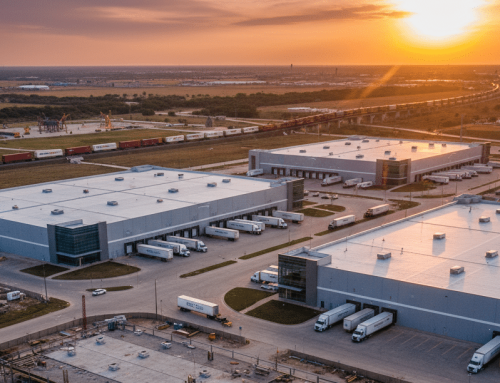
E-commerce has driven our focus towards the need for sophisticated inventory management. Greater need for inventory management and optimal distribution have increased the demand for warehouses, making them a lucrative commercial real estate investment.
2. Lower In-Store Footfall
Physical retail stores have seen a decrease in footfall now that people can order merchandise online. Lower footfall means lower sales, affecting retail rental agreements that offer a percentage of sales as rent to the investor or landlord.
Retail investors will now need to reconsider these agreements and rely on sales forecasts to determine the rental agreement terms.
3. Technological Integration
The popularity of e-commerce has also increased the pressure to integrate technology further into the in-store shopping experience. Amazon’s recent venture, Amazon Go, is a good example of a technologically integrated retail experience.
Such technological integrations are in demand, and investors will need to include this demand when stipulating the risk factor of a potential tenant.
Final Thoughts
In short, the emergence of e-commerce is shaking up commercial real estate investment in several ways. There is a shift in focus between CRE types and the addition of new factors when calculating investment profitability.
Please get in touch with our teams to invest in commercial real estate. The CHRE team has been working in the field for several years, and we will find the best deals for you.


Leave A Comment