
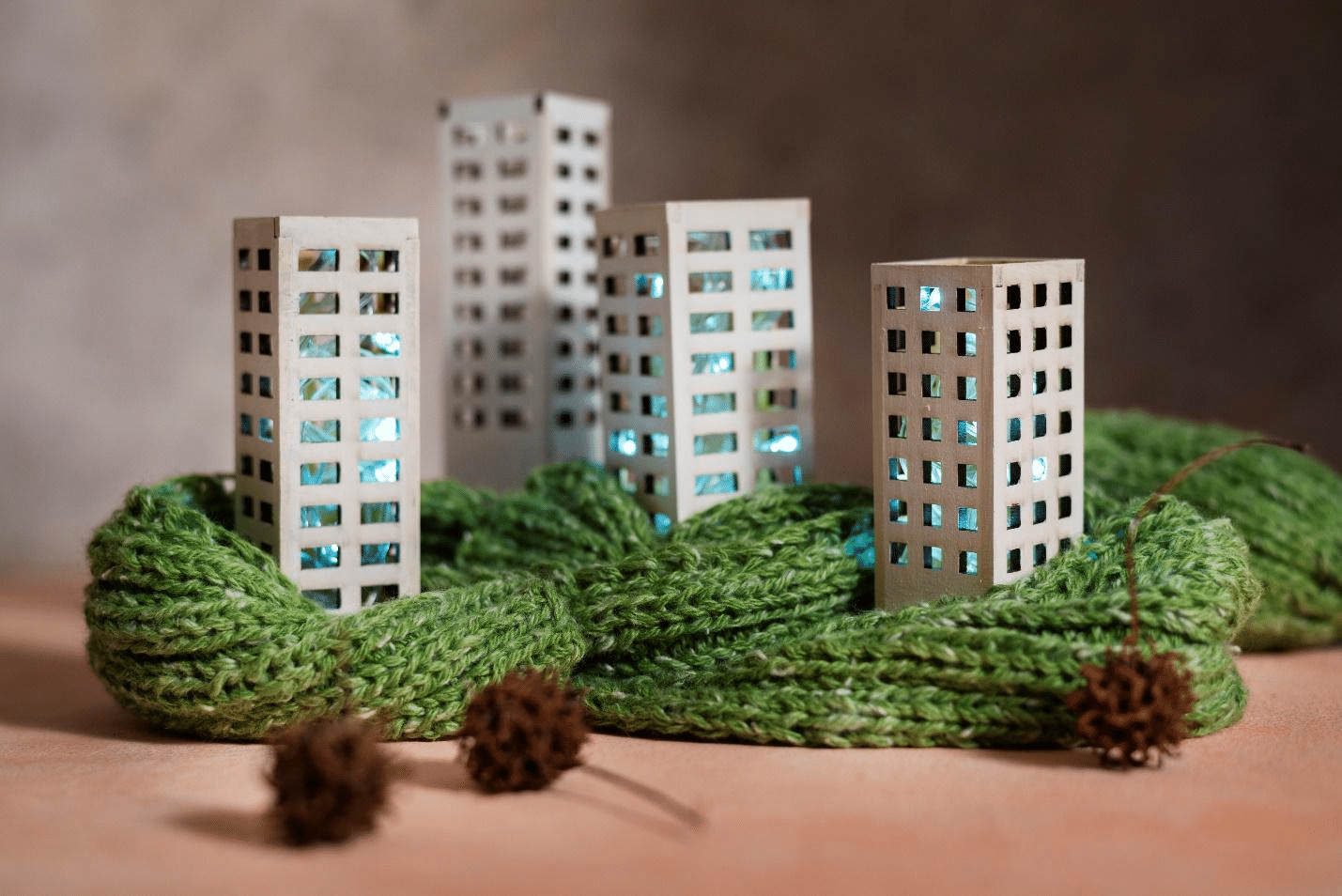
Downtown streets across the Rio Grande Valley are seeing a quiet comeback. What was once rows of shuttered buildings are now evolving into lively coffee shops, open-plan offices, and creative retail spaces. This change didn’t happen overnight, and it didn’t happen by accident. A growing interest in adaptive reuse projects is at the center of this shift.
Instead of tearing down old buildings and starting from scratch, more property owners and investors are choosing to reuse what already exists. These buildings carry the stories of the past, and now, with the right vision, they offer strong opportunities for the future of commercial real estate in the Rio Grande Valley.
What Is Adaptive Reuse?
Adaptive reuse means repurposing an existing building for a new purpose. You’re not rebuilding—you’re reimagining. A vacant post office might become a small business incubator. An empty school could serve as a mixed-use property with co-working areas and community meeting rooms. The structure remains, but the purpose evolves.
This approach works well in cities like McAllen, Harlingen, and Brownsville, where many downtown buildings are architecturally significant but underused. With careful planning and minor upgrades, these spaces become profitable and practical, making them ideal for buyers, tenants, or those looking to expand portfolios.
Why It Works in the Rio Grande Valley
The region’s economic profile is changing. While suburban commercial zones still play a role, there’s renewed interest in walkable, character-rich downtowns. Entrepreneurs and business owners are looking for unique spaces that reflect local culture. Residents want neighborhoods where they can live, work, and spend time—all in one place.
Adaptive reuse helps meet these needs without the cost and environmental impact of new builds. Old banks, department stores, and civic buildings often have prime locations, historic façades, and structural stability—a rare combination for those investing in Rio Grande Valley development.
Benefits for Buyers, Sellers, and Tenants
One major advantage of adaptive reuse is cost savings. In many cases, purchasing and upgrading an existing structure is less expensive than building from the ground up. There’s also potential to benefit from local incentives, including tax credits or expedited approvals for restoring historic properties.
Sellers can also benefit. When its adaptive reuse potential is clear, a once-vacant building becomes more appealing to commercial buyers. Buyers, in turn, are drawn to the idea of owning a piece of history with fresh functionality.
Tenants benefit too. Many prefer leasing in buildings with character—whether it’s a loft-style office in a 1930s warehouse or a retail space with exposed brick and high ceilings. These design features, often preserved through adaptive reuse, offer a unique experience that generic builds can’t provide.
Let’s Bring New Purpose to Old Spaces
At Cindy Hopkins Commercial Real Estate (CHRE), we believe that smart development begins with understanding what makes a space valuable—financially, culturally, and historically. We help clients identify reuse opportunities, evaluate building potential, and make informed real estate decisions that align with their goals.
Whether you’re looking to buy, sell, lease, or reposition a property, our team can guide you through every step of the adaptive reuse process. We bring years of experience in tenant representation, landlord strategy, and buyer guidance—all backed by deep local market knowledge.
Contact us today if you’re ready to turn a quiet downtown building into a revenue-generating asset. Let’s bring strategy, speed, and local insight to your next commercial decision.

Leave A Comment