
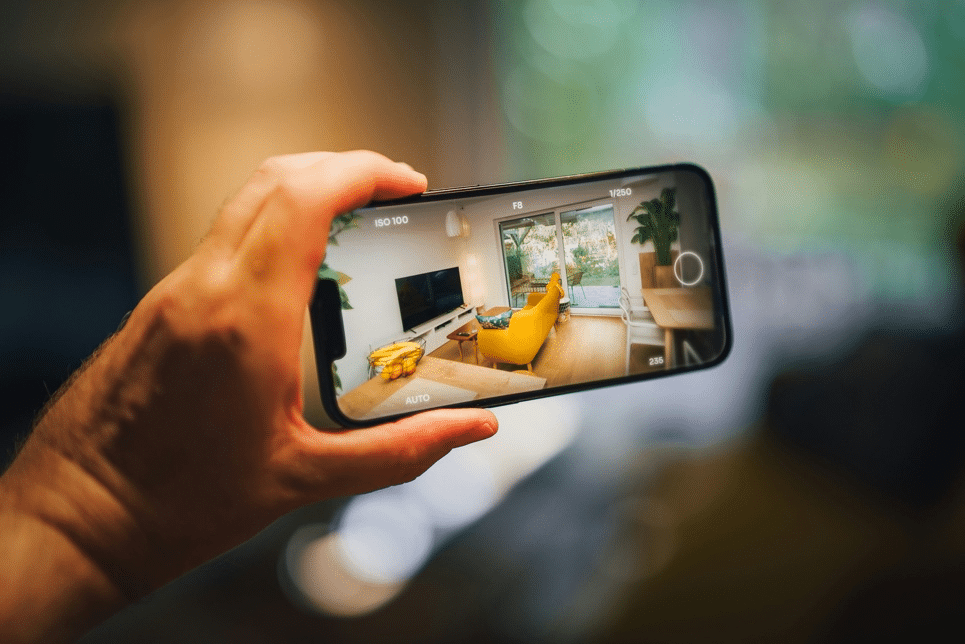
Commercial real estate has always relied on how well a property can be presented. For years, brochures, site visits, and photography were the main tools. But today’s market looks very different. Investors and tenants expect faster access to information, richer experiences, and clear data before making decisions. That shift is driving the adoption of virtual tours and artificial intelligence in CRE marketing.
These tools are becoming essential for firms that want to stay competitive, especially in regions like the Rio Grande Valley, where growth is attracting national attention.
Virtual Tours: Changing First Impressions
In CRE, first impressions matter. A virtual tour allows prospects to explore a space without leaving their office or home. Unlike static images, interactive tours showcase dimensions, layouts, and features in real time.
This saves time for both brokers and clients. Tenants no longer need to visit multiple properties just to rule them out. Landlords benefit from higher-quality leads who have already seen the space online and know it fits their needs. As a result, virtual tours are now one of the strongest tools in modern CRE marketing.
AI for Smarter Targeting
While virtual tours improve the visual experience, artificial intelligence is transforming the strategy behind the scenes. AI tools can analyze market data, tenant preferences, and property performance to deliver sharper insights.
For example, predictive analytics can identify which types of businesses are most likely to succeed in a specific location. Recommendation engines can match properties with tenants who fit the space. This reduces wasted effort and makes campaigns more efficient, saving time for brokers and property managers.
Personalizing the Marketing Experience
One of the biggest advantages of AI is its ability to personalize. Instead of sending the same brochure to every prospect, AI systems can adjust messaging based on tenant type, business goals, and even past interactions.
Imagine a retail tenant seeing a virtual tour that highlights foot traffic data and nearby competitors, while an industrial tenant views the same property with logistics details and loading dock capacity front and center. This kind of tailored approach is becoming the new standard in CRE marketing.
Speed and Convenience for Decision-Makers
Time kills deals in real estate. Combining virtual tours with AI enables decision-makers to act more quickly. Virtual tours shorten the property evaluation process, while AI streamlines the flow of information. Together, they make it easier for tenants and investors to move from interest to commitment.
In competitive regions like the Rio Grande Valley, this speed can make the difference between securing a tenant and losing one to another property. CRE marketing strategies that include these tools will give landlords and brokers a measurable edge.
Preparing for What Comes Next
The integration of virtual tours and AI is still in its early stages, but the trajectory is clear. As technology improves, expect more immersive experiences, including VR headsets for walkthroughs and AI-driven simulations that predict how a space will perform financially.
For commercial real estate professionals, the choice is straightforward: adapt these tools now or risk falling behind. The future of CRE marketing will be built on transparency, speed, and personalization, with virtual tours featuring AI leading the way.
Final Thoughts
Virtual tours and artificial intelligence are reshaping CRE marketing from the ground up. They improve how properties are presented, who they reach, and how fast decisions are made. Most importantly, they align with what tenants and investors actually want: clarity and confidence.
At Cindy Hopkins Commercial Real Estate (CHRE), we keep our focus on strategies that bring real value to clients in the Rio Grande Valley. To discover how virtual tours and AI can enhance your property marketing, our team is here to assist.
Contact us today to learn how CRE marketing is moving forward, and how your properties can stand out.



Leave A Comment